Posts

Reflection for Quarter 2

Image
The second quarter of Grade 10 has been an exciting time as we dived into the basics of HTML, or HyperText Markup Language. I must say it has been an eye-opening experience. At the start, I had little to no knowledge about web development, but now I understand the core structure of web pages and how they are created. We learned the basic elements of HTML, including tags, attributes, and the essential structure of an HTML document. This was really interesting because everything is built on such simple blocks, even the most complex websites. I think one of the most important lessons was understanding that HTML tags define different parts of a webpage. For example, the `<h1>` to `<h6>` tags for headings, the `<p>` tag for paragraphs, and how links are created with the `<a>` tag. These basic elements can seem very simple at first, but they form the foundation of everything we see online. As we went along, we also learned about images, lists, tables, and how to struc...

THEMATIC Q2

Image
Significance of the Anti-Violence Against Women and their Children (VAWC) Act of 2004 and Republic Act No. 9262 in the 18-Day Campaign to End Violence Against Women The Anti-Violence Against Women and their Children (VAWC) Act of 2004, also known as Republic Act No. 9262, is a significant piece of legislation that makes recognition and deals with the forms of violence very specific kinds that face women and children in the Philippines. Measures for protection, legal redress, and help toward victims make up the different forms of violence it enounces. The importance is not just in its aspect of being a legal protection but also in raising concerns and challenging the societal norms that allow violence towards women. The 18-Day Campaign to End Violence Against Women, which takes place from November 25 to December 12 every year, is the annual global movement against gender-based violence and continues to necessitate advocacy, education, and legislation. It's against this backdrop that...

Elpidio Quirino, his early life, career and achievements.

Image
Elpidio Quirino was born on 16th November 1890 in Vigan, Ilocos Sur. A son of a lawyer and a school teacher, he had a stable background for learning.  Quirino was a very brilliant student and, upon his graduation, became one of the top students from the University of the Philippines College of Law, with which he graduated in 1915. Early exposure to public service came when he became a lawyer and eventually entered politics as a member of the House of Representatives in 1919. He showed dedication to governance and public welfare, gaining respect very fast. Immediately following the termination of his term in the House, Quirino's political career mushroomed into high places in the Philippine government. He became secretary of interior, and later, he became vice president under President Manuel Roxas. After the latter's death in 1948, Quirino succeeded him as president, dedicating his administration to national reconstruction from the devastation of World War II. His government w...

National Indigenous Peoples Month 2024: Valuing, Nurturing, and Honoring Indigenous Peoples and Indigenous Knowledge

Image
 The observance of National Indigenous Peoples (NIP) Month every year in the Philippines underscores the need to recognize and celebrate the richness of their cultural heritage, knowledge systems, and rights by the IPs. In 2024, the theme "Mga Katutubo at Katutubong Dunong: Pahalagahan, Pangalagaan at Parangalana" ("Valuing, Nurturing, and Honoring Indigenous Peoples and Indigenous Knowledge") is celebrated throughout the Philippines, not only as commemorating the resilience and great contributions of its Indigenous people but also as reaffirming the protection of their rights and guarding their traditions. This observance calls for more than just celebration but reminds all the importance of respecting, safeguarding, and promoting the rights and cultures of Indigenous Peoples as set by the spirit of the Indigenous Peoples Rights Act of 1997. The National Indigenous Peoples Month 2024 would thus be undertaken with promotions of rights and culture and awareness throu...

Climate Change and Resiliency of Filipinos.

Image
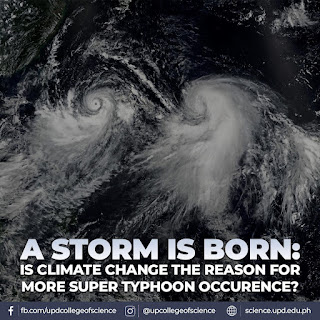
Being an archipelago within the Pacific Ring of Fire and falling within the typhoon belt, the Philippines faces differences and a higher intensity than other countries in facing challenges brought about by climate change.  Environmental changes are not isolated incidents but complex, interrelated processes reflecting impacts brought about by global warming and unsustainable human activities. These changes would further facilitate the precarious living conditions of millions of Filipinos, especially the disadvantaged and vulnerable sectors of society. Some of the drivers of such changes in the environment are: Increasing Numbers and Strength of Natural Disasters The Philippines has always been typhoon-prone; however, the frequency and the impact are intensifying. Typhoons visit regularly around 20 yearly, and the force has been growing stronger, causing severe flooding, landslides, and destruction to coasts. Ocean warming enhances the available energy in the atmosphere, thus enhanci...

“Break the Prevalence, End the Violence: Protecting Children, Creating a Safe Philippines."

Image
 Such is the 2024 National Children's Month theme "Break the Prevalence, End the Violence: Protecting Children, Creating a Safe Philippines"-a strong call to serve an urgent call for concern regarding children in the Philippines who are being abused and harmed. This theme strikes true urgency in eradicating the continuing prevalence of violence against children, thereby strengthening one's sense of collective responsibility by making society more child-friendly in which children could grow, develop, and thrive safely. Break the Prevalence" strikes a response and prevention of the systemic and widespread nature of violence against children. This may in the form of physical, emotional, sexual abuse, neglect, and exploitation which have remained prevalent amongst many children in the country. The theme does not simply enforce the laws but challenges the existing systems and structures by instilling cultural or social change that involves the interest of the child...

THEMATIC Q1

Image
LET'S CLEAN-UP AND BLOG! National Clean Up Month , aims at incorporating local communities for cleaning up all environments within their boundaries. It encourages participation in events that will clean litter while creating awareness about how waste affects ecological circles. The initiative fosters pride, responsibility, and education about sustainability and recycling thus having healthier and more vibrant communities. It is in such a world, increasingly overrun with rubbish and pollution, that a call for a mass clean-up rings louder than ever. Imagine such parks, shining rivers, and clean skies: all this can be had by dedicated efforts to restore these natural spaces. Communities arise out of nowhere, wearing gloves and austerely accompanying trash bags, transforming littered landscapes into fresh havens. To emphasize the importance of maintaining a clean environment: One of the ways to maintain cleanliness is by sweeping in public places. This will prevent more pollution in t...